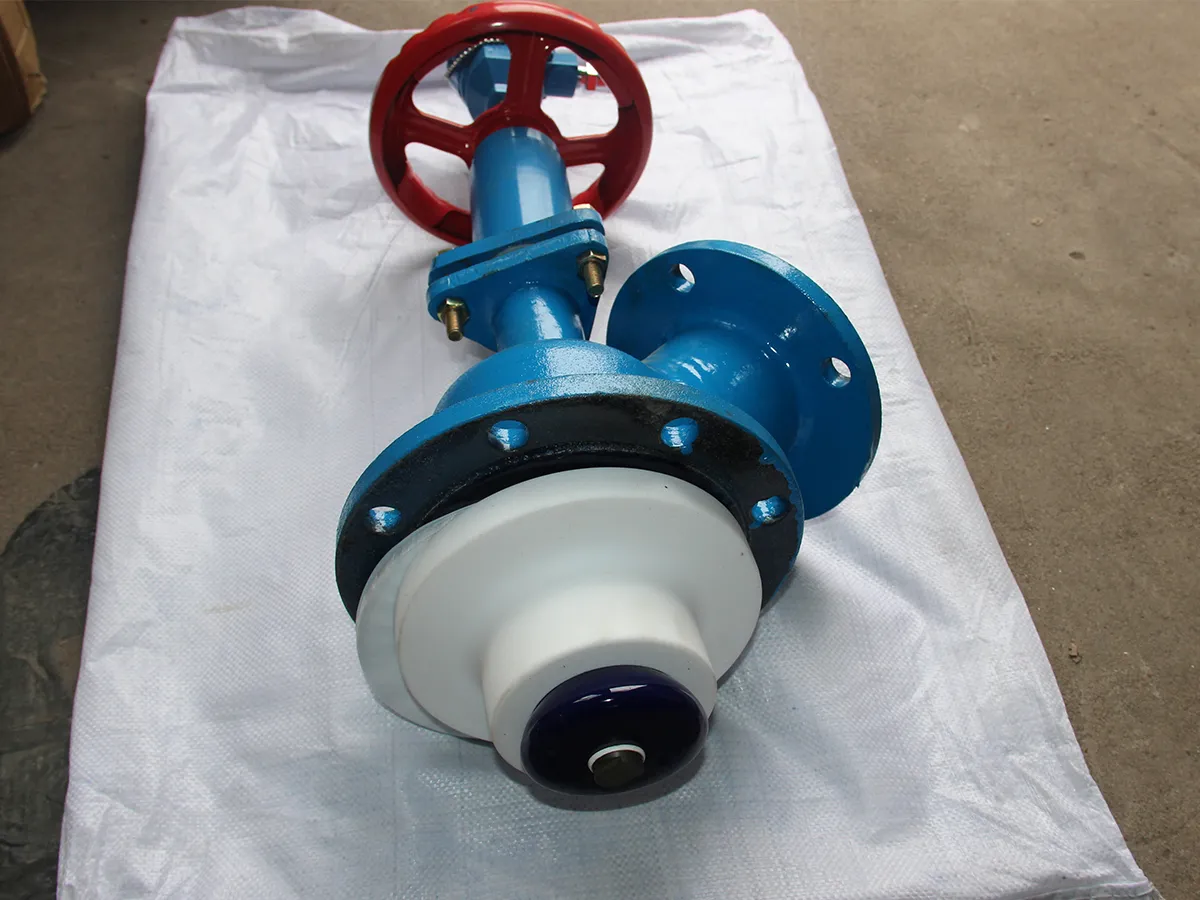
Bottom Outlet Valve / Glass-Lined Outlet Valve
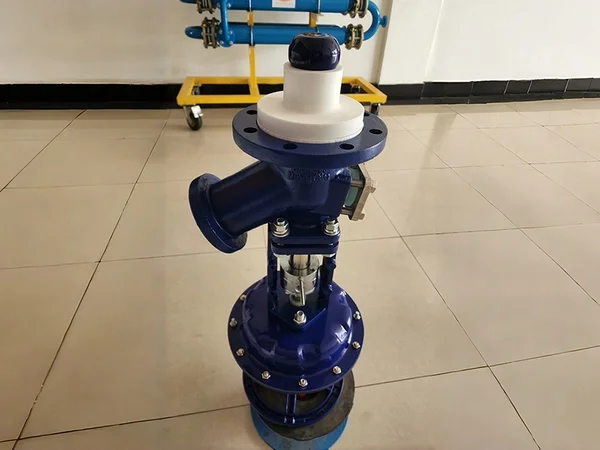
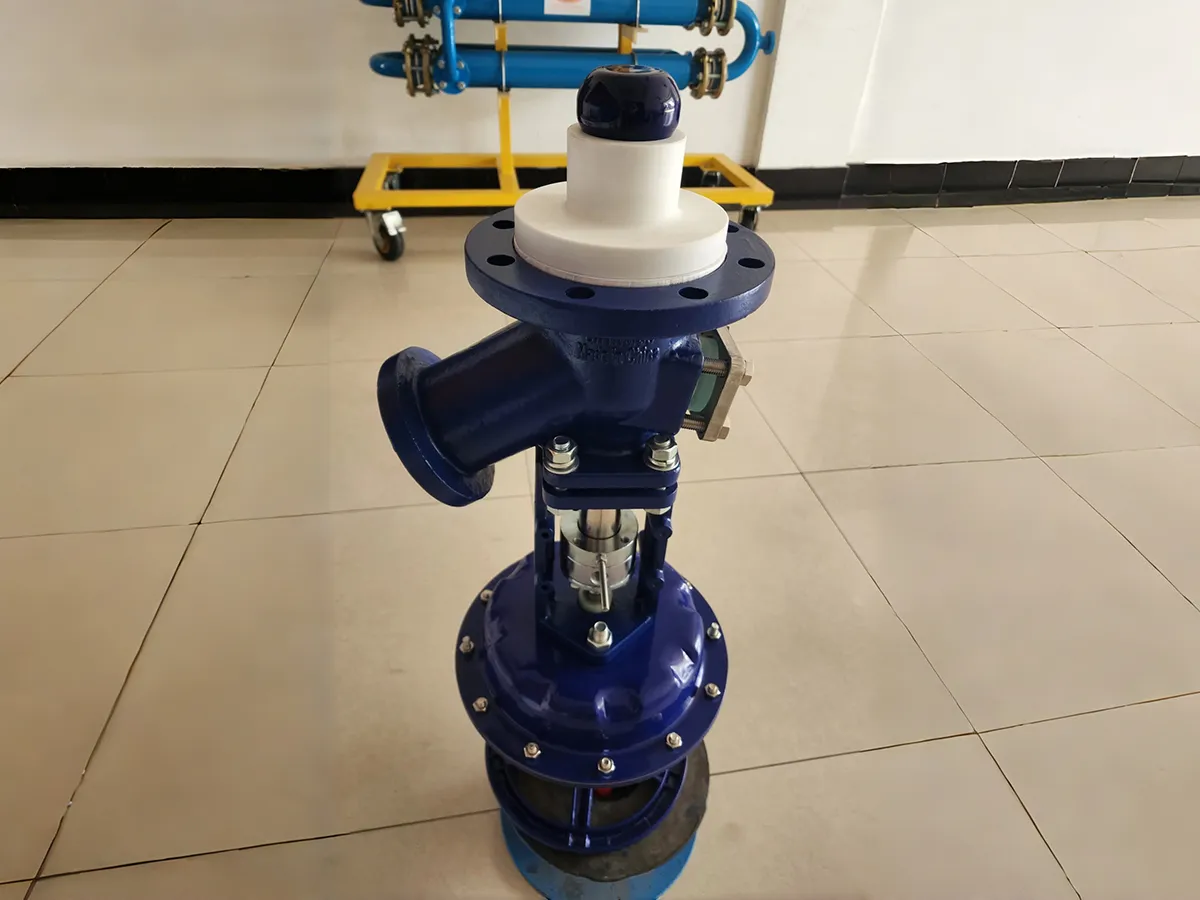
The bottom outlet valve gives you safer and more controlled discharge from a glass-lined reactor, especially when handling corrosive process media. Designed for reliable outlet control, the bottom outlet valve is widely used in the chemical and pharmaceutical industries for the discharge of strongly corrosive materials.
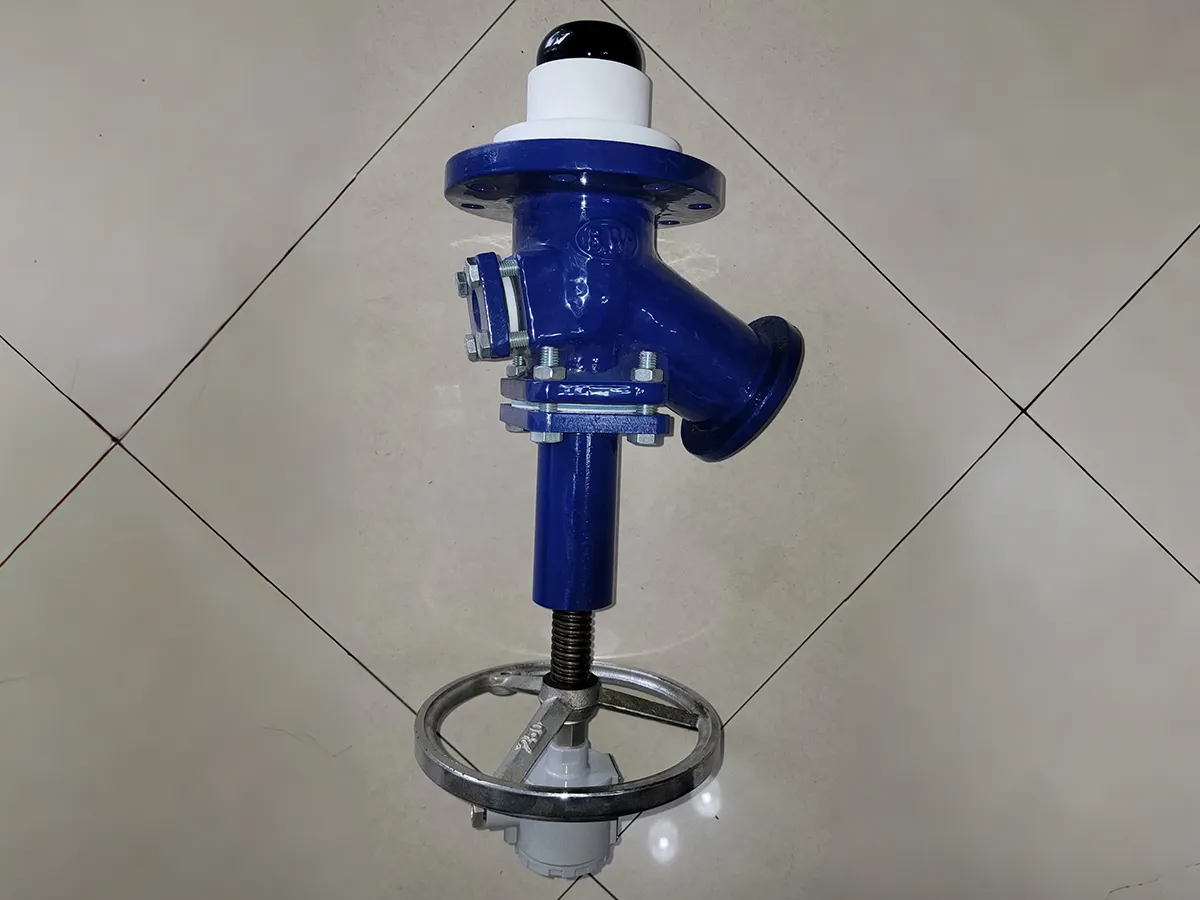
Manufactured in accordance with HG/T 20580, the bottom outlet valve uses a carbon steel body with an internal 0.8-2.0 mm high-borosilicate glass enamel lining. The enamel layer must pass a 20 kV high-voltage spark test, with a bonding strength of ≥30 MPa. The bottom outlet valve is available in both straight-through and angle-type designs, with sizes ranging from DN25 to DN100. Suitable operating conditions include pressure up to 1.6 MPa and temperature from -20°C to 200°C.
- Different Plug Sealing Structures
According to the sealing form of the valve plug, the bottom outlet valve can be divided into top-guided outlet valves and bottom-guided outlet valves. The top-guided outlet valve is the most widely used option and helps reduce the risk of blockage at the discharge outlet. - Different Actuation Methods
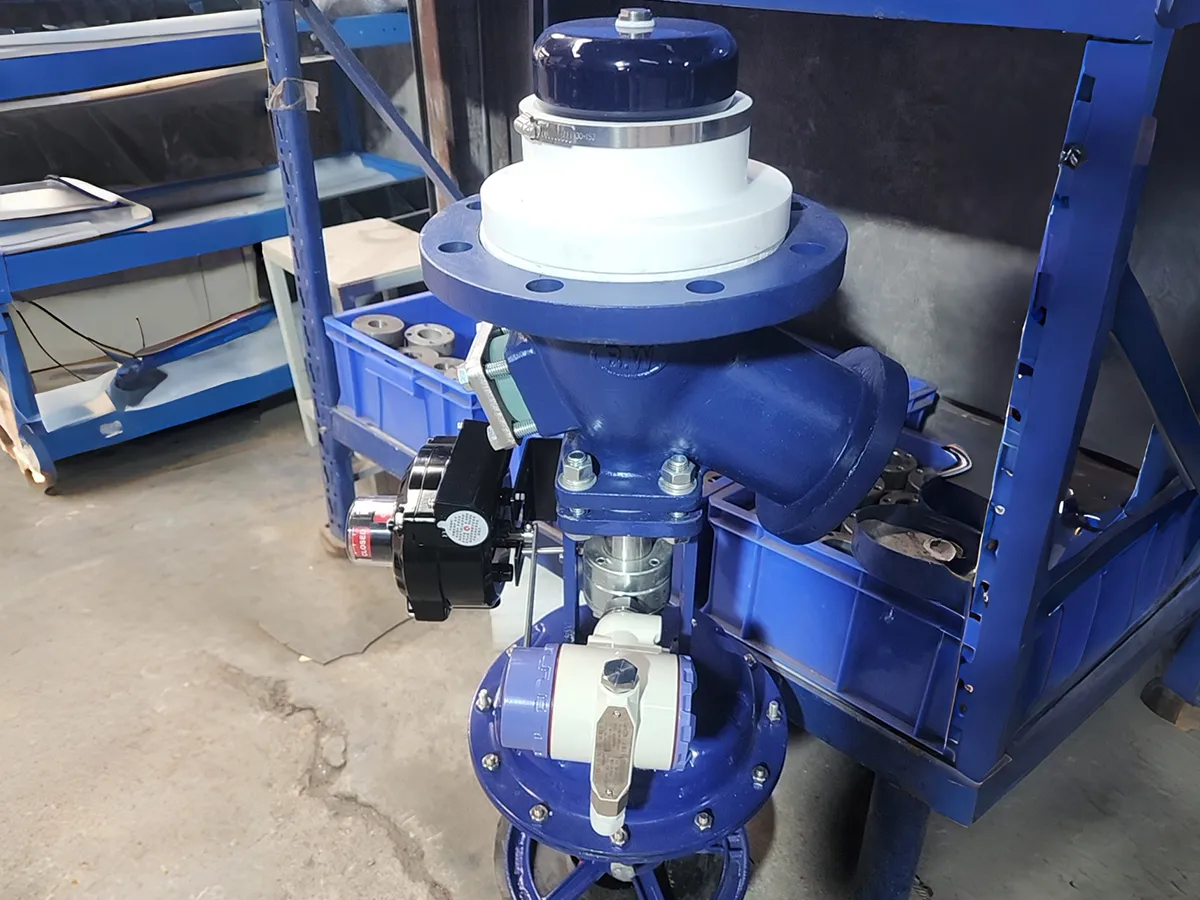
According to the opening and closing method, the bottom outlet valve can be configured as a manual valve, pneumatic valve, or electric valve. These options make it easier to connect the bottom outlet valve with the control system for automated operation. - Different Cleanliness Options
According to cleanliness requirements, the bottom outlet valve is available in a standard type and a purge type. The purge port can use clean water, compressed air, or inert gas to remove residual material from inside the valve. - Different Sealing Options
According to the sealing structure, the bottom outlet valve can use either packing sealing or bellows sealing. The bellows-sealed type offers better sealing performance and is more commonly used. - Optional Temperature Measurement Function
A tantalum pin and sensor can also be installed on the valve plug to provide temperature measurement. This function is only suitable when the process material is in a pure liquid state.